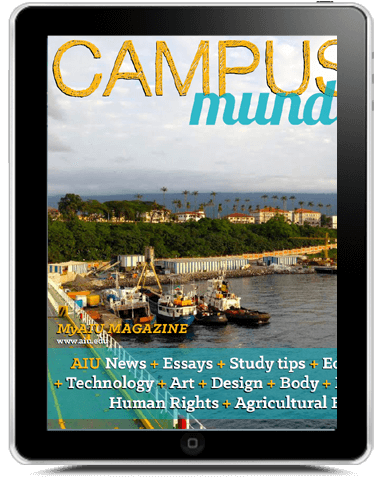

August 2018 Edition!
AIU News + Essay + Study tips + Education + Culture + Science + Technology + Art + Design + Body + Mind + Spirit + Environment + Human Rights + Agricultural Economics + About AIU
Other Editions

AIU News + Essay + Study tips + Education + Culture + Science + Technology + Art + Design + Body + Mind + Spirit + Environment + Human Rights + Agricultural Economics + About AIU
 23, 2018. One of our
graduates, Cleopas Njerekai,
has published 2 articles on the
Journal of Tourism & Hospitality.
You can read both of his
in utilizing
public
revenues
for the development
of needy
community.
Especially
young
adults
must review the current stock
of public revenue utilization
and active participation in parliament
and legislature debates
of their representatives for the
welfare of regions; effective
utilization of available resources
to reduce exploitation. In
this direction political party’s
role is vital; because most of
the young educated generation
is ready to take risk in supporting
their beloved leader
and trust his vision in creating
more employment opportunities
through rural entrepreneurship
as well as SME’s is
one of the cornered area. ...
Find more information
about his book: https://www.
morebooks.de/store/gb/book/
political-and-economic-model/
isbn/978-613-9-82430-4
Dr. Jagadeesha Marigowda
completed a Doctorate program
in International Business
at AIU.
articles on the provided links:
Staffing and Working
Conditions of Employees
in Chinese Restaurants
in Zimbabwe: Justifiable?:
https://www.omicsonline.org/
open-access/staffing-and-working-
conditions-of-employees-inchinese-
restaurants-inzimbabwejustifiable-
2167-0269-1000341.pdf
A Critique of the Methodological
Approach to Hotel
Guest Green Consumerism
Empirical Researches Since
2000: https://www.arcjournals.
org/pdfs/ijrth/v4-i1/2.pdf
Dr. Cleopas Njerekai completed
a Doctorate program in
Tourism at Atlantic International
University.
23, 2018. One of our
graduates, Cleopas Njerekai,
has published 2 articles on the
Journal of Tourism & Hospitality.
You can read both of his
in utilizing
public
revenues
for the development
of needy
community.
Especially
young
adults
must review the current stock
of public revenue utilization
and active participation in parliament
and legislature debates
of their representatives for the
welfare of regions; effective
utilization of available resources
to reduce exploitation. In
this direction political party’s
role is vital; because most of
the young educated generation
is ready to take risk in supporting
their beloved leader
and trust his vision in creating
more employment opportunities
through rural entrepreneurship
as well as SME’s is
one of the cornered area. ...
Find more information
about his book: https://www.
morebooks.de/store/gb/book/
political-and-economic-model/
isbn/978-613-9-82430-4
Dr. Jagadeesha Marigowda
completed a Doctorate program
in International Business
at AIU.
articles on the provided links:
Staffing and Working
Conditions of Employees
in Chinese Restaurants
in Zimbabwe: Justifiable?:
https://www.omicsonline.org/
open-access/staffing-and-working-
conditions-of-employees-inchinese-
restaurants-inzimbabwejustifiable-
2167-0269-1000341.pdf
A Critique of the Methodological
Approach to Hotel
Guest Green Consumerism
Empirical Researches Since
2000: https://www.arcjournals.
org/pdfs/ijrth/v4-i1/2.pdf
Dr. Cleopas Njerekai completed
a Doctorate program in
Tourism at Atlantic International
University.
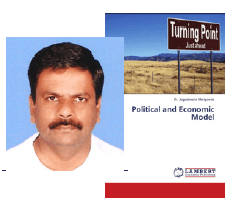 July 1,
2018. One
of our
graduates,
Jagadeesha
Marigowda,
has
published his 6th book, “Political
and Economic Model”.
Book Summary: This book is
intended to create awareness
about political volatility, integrity
of elected representatives in utilizing
public
revenues
for the development
of needy
community.
Especially
young
adults
must review the current stock
of public revenue utilization
and active participation in parliament
and legislature debates
of their representatives for the
welfare of regions; effective
utilization of available resources
to reduce exploitation. In
this direction political party’s
role is vital; because most of
the young educated generation
is ready to take risk in supporting
their beloved leader
and trust his vision in creating
more employment opportunities
through rural entrepreneurship
as well as SME’s is
one of the cornered area. ...
Find more information
about his book: https://www.
morebooks.de/store/gb/book/
political-and-economic-model/
isbn/978-613-9-82430-4
Dr. Jagadeesha Marigowda
completed a Doctorate program
in International Business
at AIU.
July 1,
2018. One
of our
graduates,
Jagadeesha
Marigowda,
has
published his 6th book, “Political
and Economic Model”.
Book Summary: This book is
intended to create awareness
about political volatility, integrity
of elected representatives in utilizing
public
revenues
for the development
of needy
community.
Especially
young
adults
must review the current stock
of public revenue utilization
and active participation in parliament
and legislature debates
of their representatives for the
welfare of regions; effective
utilization of available resources
to reduce exploitation. In
this direction political party’s
role is vital; because most of
the young educated generation
is ready to take risk in supporting
their beloved leader
and trust his vision in creating
more employment opportunities
through rural entrepreneurship
as well as SME’s is
one of the cornered area. ...
Find more information
about his book: https://www.
morebooks.de/store/gb/book/
political-and-economic-model/
isbn/978-613-9-82430-4
Dr. Jagadeesha Marigowda
completed a Doctorate program
in International Business
at AIU.
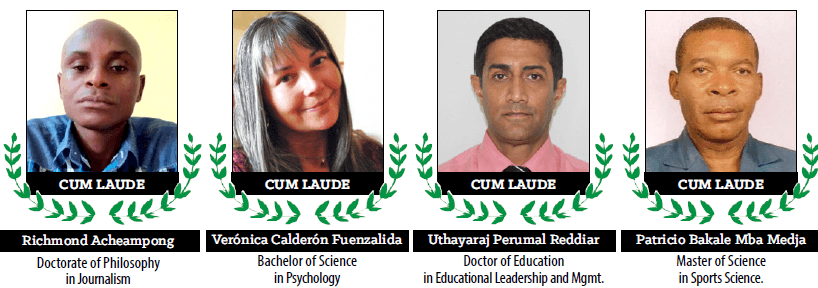 July, 2018. These graduate students completed the majority of the requirements to obtain
honors, which included a 4.0 GPA, published works, recommendation from their respective
advisors, patent a product, etc. Congratulations to all of them!
July, 2018. These graduate students completed the majority of the requirements to obtain
honors, which included a 4.0 GPA, published works, recommendation from their respective
advisors, patent a product, etc. Congratulations to all of them!
 Call for Papers
This Conference will be held
21–22 February 2019 at UBC
Robson Square, Vancouver,
Canada.
We invite proposals for paper
presentations, workshops/
interactive sessions, posters/
exhibits, colloquia, focused
discussions, innovation
showcases, virtual posters, or
virtual lightning talks.
Theme 1: Management
Education
Theme 2: Change
Management
Theme 3: Knowledge
Management
Theme 4: Organizational
Cultures
2019 Special Focus:
The New Story of Organizing.
Scope and concerns: Organizational
Intangibles and their
Tangible Value · Knowledge
Economy · Knowledge in Organizations
· Culture in Organizations
· Change in Organizations.
Become a Presenter:
1. Submit a proposal
2. Review timeline 3. Register
Submit your proposal
by 6 August 2018
Early Registration Deadline
21 August 2018
Visit the website:
http://organization-studies.com
Call for Papers
This Conference will be held
21–22 February 2019 at UBC
Robson Square, Vancouver,
Canada.
We invite proposals for paper
presentations, workshops/
interactive sessions, posters/
exhibits, colloquia, focused
discussions, innovation
showcases, virtual posters, or
virtual lightning talks.
Theme 1: Management
Education
Theme 2: Change
Management
Theme 3: Knowledge
Management
Theme 4: Organizational
Cultures
2019 Special Focus:
The New Story of Organizing.
Scope and concerns: Organizational
Intangibles and their
Tangible Value · Knowledge
Economy · Knowledge in Organizations
· Culture in Organizations
· Change in Organizations.
Become a Presenter:
1. Submit a proposal
2. Review timeline 3. Register
Submit your proposal
by 6 August 2018
Early Registration Deadline
21 August 2018
Visit the website:
http://organization-studies.com
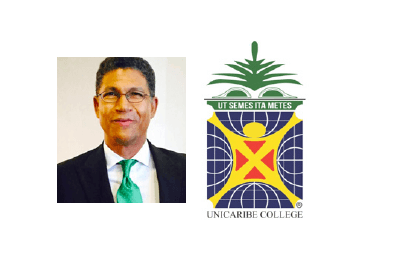 july 13, 2018. One of our
graduates, Emperador Pérez,
has received the recognition
"Academician of Honor" by Dr.
Otto Von Feigenblatt, Earl of
Kobryn, Hon. Ambassador of
the Republic of Kosovo, of the
European nobility and Baron of
Feigenblatt-Miller, of the Academy
of Doctors of Spain and of
the International Academy of
Social Sciences, during an event
held at Unicaribe College.
Dr. Emperador Pérez has
completed a PhD program in
Business Economics with honors
Suma Cum Laude in AIU.
july 13, 2018. One of our
graduates, Emperador Pérez,
has received the recognition
"Academician of Honor" by Dr.
Otto Von Feigenblatt, Earl of
Kobryn, Hon. Ambassador of
the Republic of Kosovo, of the
European nobility and Baron of
Feigenblatt-Miller, of the Academy
of Doctors of Spain and of
the International Academy of
Social Sciences, during an event
held at Unicaribe College.
Dr. Emperador Pérez has
completed a PhD program in
Business Economics with honors
Suma Cum Laude in AIU.
 Call for Papers
This Conference will be held
10–12 July 2019 at Universidad
Autónoma Metropolitana in
Mexico City, Mexico.
We invite proposals for paper
presentations, workshops/
interactive sessions, posters/
exhibits, colloquia, focused
discussions, innovation
showcases, virtual posters, or
virtual lightning talks.
Theme 1: Social and
Community Studies
Theme 2: Civic and Political
Studies
Theme 3: Cultural Studies
Theme 4: Global Studies
Theme 5: Environmental
Studies
Theme 6: Organizational
Studies
Theme 7: Educational Studies
Theme 8: Communication
2019 Special Focus: Global
flows, diversified realities.
Become a Presenter:
1. Submit a proposal
2. Review timeline
3. Register
Advance Registration
Deadline
10 October 2018
Visit the website:
http://thesocialsciences.com
Call for Papers
This Conference will be held
10–12 July 2019 at Universidad
Autónoma Metropolitana in
Mexico City, Mexico.
We invite proposals for paper
presentations, workshops/
interactive sessions, posters/
exhibits, colloquia, focused
discussions, innovation
showcases, virtual posters, or
virtual lightning talks.
Theme 1: Social and
Community Studies
Theme 2: Civic and Political
Studies
Theme 3: Cultural Studies
Theme 4: Global Studies
Theme 5: Environmental
Studies
Theme 6: Organizational
Studies
Theme 7: Educational Studies
Theme 8: Communication
2019 Special Focus: Global
flows, diversified realities.
Become a Presenter:
1. Submit a proposal
2. Review timeline
3. Register
Advance Registration
Deadline
10 October 2018
Visit the website:
http://thesocialsciences.com

| Sergio Andres Cavesas Bachelor of Science Cyber Security Argentina |
Maria Cristina Coronel Bachelor of Human Resources Human Resources Argentina |
Nancy Graciela Elena Savino Bachelor of Science Psychology Argentina |
Deri, Angel Dario Bachelor of Science Neuroscience Argentina |
María Eugenia Márquez Piazze Bachelor of Science Chemical Engineering Argentina |
Stella Marys Peso Doctor of Education Neuroeducation Argentina |
| Ogu Ikpenma Maureen Bachelor of Social and Human Studies Psychology Argentina |
Tethloach Domach Ruey Doctor of Science International Relations Australia |
Gaolebe Kgatlhego Bachelor of Business Administration Banking and Finance Botswana |
Matthews Lebogang Phiri Doctor of Business Administration Business Adm inistration Botswana |
Giovanni Carlos Lorusso Montiel Doctor of Science Artificial Intelligence Canada |
Ansu Keifala Bachelor of Science Mining Engineering Canada |
| Fernanda Mendes A. Silva Mascarenhas Doctor of Philosophy Project Management Cape Verde |
Cristian Rodrigo Navarro Palma Bachelor of Architecture Digital Design Chile |
Verónica Elena Calderón Fuenzalida Bachelor of Science Psychology Chile |
Alejandro Gaitán Hurtado Doctor of Science Psychology Colombia |
Javier Novoa Cuervo Master of Civil Engineering Construction Projects Management Colombia |
Juan Esteban Aguirre Espinosa Master of Science Political Science Colombia |
| Ernesto Gómez Echeverri Doctor of Business Administration Business Adm inistration Colombia |
Kabera Linga Alain Master of Science Comp uter Science Democratic Republic of the Congo |
Juan Luis Rafael Guerrero Peralta Doctor of Legal Studies International Criminal Justice Dominican Republic |
Sergio Feliz Rubio Doctor of Sociology Analysis of Bullying in Schools Dominican Republic |
Yeral Ogando Bachelor of Education English as a Second Language Dominican Republic |
Juan Bautista Martinez Morales Master of Arts App lied Linguistics for Sec. Lang. Teaching Dominican Republic |
| Luis Zabdiel De la Cruz Perdomo Bachelor of Business Administration Business and Finance Dominican Republic |
Wilson Manuel De Los Santos Matias Bachelor of Science Civil Engineering Dominican Republic |
Jorge Vinicio Freire Cervera Master of Science Exterior Comm erce Ecuador |
Yvonne Margarita Guerra Rodríguez Bachelor of Business Administration Accounting and Auditing Ecuador |
Cristian Andrés Viteri Cervantes Bachelor of Business Administration Business Adm inistration Ecuador |
Sandra Mariel Toapanta Pazmiño Doctor of Philosophy Public Health Ecuador |
| Rommel Santiago Salazar Carrera Bachelor of Science Industrial Design Engineering Ecuador |
Kleber Ramiro Cabezas Rea Bachelor of Science Telecomm unications Engineering Ecuador |
Pablo Sebastián Buse Velásquez Bachelor of Science Industrial Engineering Ecuador |
Pablo Ntutumu Bacale Ayetebe Doctor of Science Food Engineering Equatorial Guinea |
Fernando Ndong Nguema Maye Master of Business Administration Marketing and Sales Equatorial Guinea |
Patricio Bakale Mba Medja Master of Science Sports Science Equatorial Guinea |
| Baiza Belinda Abdallah Doctor of Business Administration Business and Adm inistration Ghana |
Ayim Kwadwo Evans Master of Science Project Management Ghana |
Hector A Duarte Bachelor of Business Administration Economics Guatemala |
Calvin Brutus Post Doctorate of Science Organizational Developm ent Guyana |
Wilmer Eliezer Díaz González Doctor of Science Chemical Engineering Iraq |
Aharon Zaide Master of Science Chemistry Israel |
| Rowena Colleen Lypher Bachelor of Education Adult Education Jamaica |
Basem Mohammed Al-lozi Post Doctorate of Economics Economics Jordan |
James Kamau Murango Bachelor of Science Project Management Kenya |
Sisco Mbindi Mbith Bachelor of Business and Economics Logistics & Supp ly Chain Management Kenya |
Marwan Monier Hatoum Bachelor of Science Civil Engineering Lebanon |
Raghda Thini Fawaz Bachelor of Architecture Architecture Liberia |
| Christopher Emeka Desmond Bachelor of Business Administration Banking and Finance Luxembourg |
Kone Djakalia Bachelor of Business Administration Business Management Mali |
Varandinho Alberto Ali Doctor of Philosophy Public Policy and Adm inistration Mozambique |
Prosper Sinzotuma Master of Management Business Management Mozambique |
Mamadou Abdou Gaoh Sani Doctor of Management Management Niger |
Justina Obiageli Ohai Doctor of Philosophy Educational Psychology Nigeria |
| Adetokunbo Modupe Bachelor of Social Science International Relations Nigeria |
Ochai Ufedo Adejoh Doctor of Philosophy Health Care Adm inistration Nigeria |
Aminu N. Mohammed Master of Science Finance Nigeria |
Aniefiok Joe Moses Doctor of Philosophy Public Health Nigeria |
Stanley Osazuwa Omobude Master of Science Business Adm inistration Nigeria |
Roberto Edmundo Angulo Alvarez Bachelor of Economics Economics Peru |
| Mahamah Dango, Abdou Doctor of Science Renewable Energy Senegal |
Yayah Kamarakeh Master of Science Land Surveying Sierra Leone |
Derrick Cheong Chak Wah Doctor of Science Refrigeration & Air-Conditioning Technology Singapore |
James Sia Chee Beng Doctor of Science Refrigeration & Air-Conditioning Technology Singapore |
Brian Mupindu Bachelor of Science Electrical Engineering South Africa |
Uthayaraj Perumal Reddiar Doctor of Education Educational Leadership and Management Sri Lanka |
| Lilian Ochoo Bachelor of Arts Journalism and Media Studies South Sudan |
Elfadil Musa Mohamed Ahmed Doctor of Philosophy Project Management Sudan |
Mohamed Turay Doctor of Business Administration Health Management Information Systems Tanzania |
Abdi Hussein Saleh Bachelor of Arts Journalism Tanzania |
Ahmed Shaker Abdulrahman |
Ammar Imad Wasfi Bachelor of Business Administration Business Adm inistration UAE |
| Faris Moh'd R. Abed Rabu Bachelor of Business Administration Business Adm inistration UAE |
Lailat Salim Hemed Bachelor of Business Administration Business Adm inistration UAE |
Mayar Ghazal Bachelor of Business Administration Business Adm inistration UAE |
Sahar Kamal Taleb Naji Bachelor of Business Administration Business Adm inistration UAE |
Aamna Ikram Abbasi Bachelor of Business Administration Business Adm inistration UAE |
Mohamed Saif E. Abdel Rahim Ahmed Bachelor of Business Administration Business Adm inistration UAE |
| Magda Dinor Valdez Ruvalcaba Bachelor of Arts Spanish Language USA |
Dante Christiam Arroyo Vega Bachelor of Science Environmental, Health and Safety USA |
Martha Abdullah Bachelor of Science Early Childhood and Education USA |
Jeff Garcia Master of Science Psychology and Coaching USA |
Gilbert Chimese Kasongo Master of Finance Finance Zambia |
Maria Odete Pedro Filho Melo Bachelor of Science Public Health Zimbabwe |
| Wirimai Chimbongore Doctor of Accounting Accounting Zimbabwe |
|||||
 Lilian Ochoo
  John Tarilanyo Afa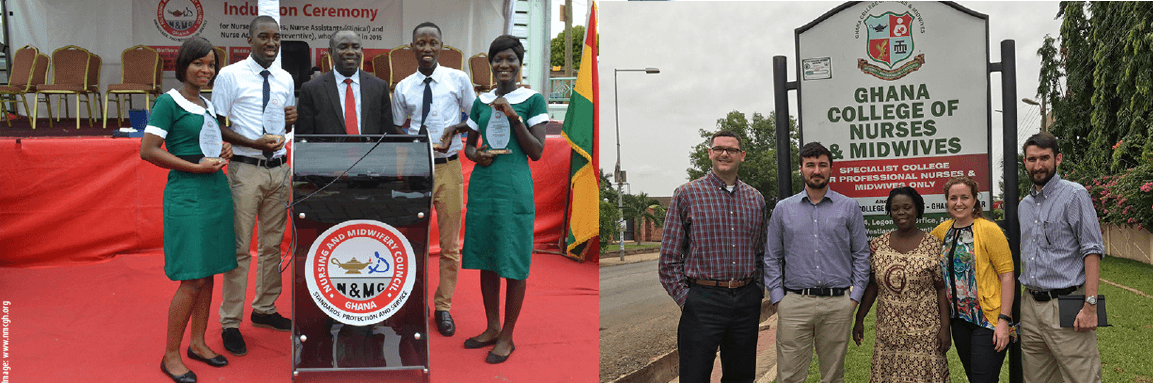
Diminishing opportunities
for training, education and
professional development
The Nurses and Midwifery
Board of Australia14 states that
nurses in general practice are
required to undertake professional
development. Midwives
too. The accreditation standards
of general practices in
Australia also require nurses
in general practice to be actively
participating in continuing
professional development
and therefore infers a responsibility
of the general practice
to ensure that this occurs13.
The Nursing and Midwifery
Council of Ghana stresses
continuous professional
development (CPD) and this is
contingent with the renewal
of professional identification
numbers (PIN). That notwithstanding
the opportunity to go
for further training in the area
of long programme is dwindling.
Informal information reveals
that managers of Ghana
Health Service (GHS) no longer
sponsors nurses and midwives
making advances for degree
and masters programmes.
Some hold the view that the
levels do not bring value. Others
say funds are not available
to support long courses. In the
contrary, undertaking education
and training and credentialing
provide nurses with additional
skills to provide wider
ranging care and to feel more confident about their role13.
Similarly, frameworks for education
and career pathways
have been found to enhance
the development of nurse-led
care in the United Kingdom
and New Zealand13.
Formal (policy, practice,
statutory) barriers limiting
services provided by nurses
and midwives
Regulations concerning
whether or not Nurse Practitioners
(NPs) can admit, manage,
and discharge patients
in a hospital are inconsistent
and not always clear. Facility
policies may interpret the
requirements of the law as
restricting NPs in independent
practice regarding patient admission
to, treatment in, and
discharge from health care
facilities; even though NPs are
authorized to perform these
functions in a separate portion
of the Arizona Administrative
Code. Within Yavapai County,
Arizona, there are four
hospitals –one federal, one
rehabilitation, and two acute
care hospitals13. Of the four
facilities, the federal facility
provides the most independent
practice environment
by far, in that it permits NPs
to evaluate and treat patients
in the outpatient, inpatient,
and emergency room setting.
With reference to the
latter assertion, it is possible
to make policies that will
mandate nurses and midwives
to evaluate and treat patients
in the outpatient and inpatient
setting. Where these functions
are permitted they are
not documented as “extended”
roles so as to be considered for
recognition.
In a survey conducted
by Drennan, J. et al16 it was
observed that patients and
parents were highly satisfied
with the care they received
from nurse/midwife prescribers
and the majority were of
the opinion that that nurses
and midwives should have
prescriptive authority.
Non-recognition of Specializations
in nursing and
midwifery practices hampers
the growth of nursing and
midwifery.
Generally, in Ghana there
is no formal or structured recognition
for nursing and midwifery
specializations. Post
basic programmes are available
in nursing in Ghana. The
basic programme places one
at the entry point of a nurse
or midwife upon completion
of the professional course.
An example is the three year
programme in nursing or
midwifery that enables one
become a Registered Nurse
or Registered Midwife in the
case of Ghana. The post basic
programmes have a duration
of two (2) years at most. The
duration of training might be
inadequate for the products
to be considered specialist in
their field of study. A welcome
development is the establishment
of the Ghana College of
Nurses and Midwives. The
College was established and
inaugurated on 23rd April 2013
under the provisions of the
Specialist Health Training and
Plant Medicine and Research
Act 833 of 2011 (Part Three)
and has a mission to promote
specialist education and continuous
professional development17.
Nurse/Midwives
specialist programmes would
include paediatric nursing,
accident and emergency,
palliative care and oncology.
The training for residents is
for three (3) years full-time. It
is hoped the graduates of the
specialist programmes would
be appropriately recognized
by Ministry of Health, Ghana.
In other jurisdictions, specialist
posts were valued more by
National Health Service trusts
but also more by the nursing
profession itself. The conclusion
is that ways need to be
found to reward and value the
role of the nurse and midwife
following specialization so
that nursing and midwifery
excellence can be recruited,
retained and developed at the
Ward or clinical level18.
Rurality
Areas that create barriers for
rural providers may provide
opportunities in some ways
for independent practice of
NPs in rural areas. This is
not always the case, and NPs
are affected by rural practice
issues like distance from support
networks, professional
isolation, lack of anonymity,
spousal employment, long
hours, and the requirement
to be an ”expert generalist”15.
One widely reported effects of
practicing in a rural setting is lack of anonymity. The lack of
anonymity refers to the lack of
separation between personal
and professional lives that
occurs in rural communities.
This lack of anonymity
contributes to the trusted and
knowledgeable status conferred
upon the “old-timer”, or
the individual who is known
to the community, lived in the
community for an extended
period, and owns land. Lack
of anonymity has been cited
as an advantage for the rural
nurse practitioner who may
interact with patients outside
the practice setting raising
the question of whether it is a
barrier or advantage15.
Another significant barrier
faced by the rural nurse/
midwife practitioner (NMP) is
professional isolation. Isolation
has been defined in the
literature as “an actual separation
from or a deficiency in
a resource needed to fulfil
professional responsibilities or
needs”. Rural professional isolation
of the Nurse or midwife
is a barrier frequently raised
in studies on rural practice.
Isolation from continuing
education has been an issue
for both nursing and medicine
and the decrease comfort level
of providers in performing
complex or infrequently practiced
skills may be a quality
concern. For the rural nurse/
midwife practitioner, issues of
role confusion and workplace
barriers compound professional
isolation, may make it
more difficult to collaborate
in interdisciplinary settings.
Other effects of isolation
are lack of peer support and
knowledge decay15.
While rural populations
tend to be older, poorer, and
sicker than urban populations,
they have fewer resources
available to provide treatment
comparable to urban
practices15.
Clearly the nurse-midwife is
the “expert generalist” in the
rural setting where they enjoy
some level of health services
autonomy. The disadvantages
encountered in the area far
outweigh the advantages. The
factors to attract, retain them
and sustain their practices
need to be addressed.
For instance, as part of their
social responsibility telecommunication
companies should
make their services felt at
the remotest of communities
particularly in localities where
health facilities are sited. The
government should negotiate
for the location of the telecommunication
facilities. It
has been established that rural
people have developed economic
and social links beyond
their locality due to improved
transport and communication
means. Transportation,
telephone and internet have
superimposed communication
and travel patterns that
allow rural people to shop,
utilise services and participate
in recreation well beyond
the local community19. The
telecommunication network
will draw the health personnel
towards their peers and the
rest of the world. In addition,
the employer should institute
what is known as Herzberg
Factor Two (Hygiene Factors)
placing premium on
achievements, recognition
and responsibility and of
course, working conditions
and remuneration20. It has also
been found that financial and
non-financial incentives such
as better housing and accelerated
promotions were moderately
effective but preferential
access to training and career
development opportunities
were very powerful nonfinancial
strategies in motivating
nurses to work in rural and
remote areas.

CONCLUSION
From the discussions we
reckon that teamwork among
health providers, opportunity
for training, education
and professional continuous
development, clear policy
blue-print, according specialist
nurses and midwives the
needed recognition, supporting
and promoting the
Herzberg Factor Two (Hygiene
Factor) in the urban as well as
the rural settings are essential
means by which nursing and
midwifery autonomy can be
realized. The absence of these
factors would make nursing
and midwifery autonomy a
non-starter.
RECOMMENDATION
It is my candid opinion that
the following be considered in
the promotion of nursing and
midwifery autonomy:
To ensure that other professionals recognize the
worth of nurses and midwives,
we should demonstrate
competence by designing
and implementing models
of patient care. The need to
revive the Nursing Care Plan
and make it user-friend in the
clinics and hospital is long
overdue. In addition nurses
should demonstrate solidarity
towards one another and
be assertive and supportive
of nursing and midwifery
agenda.
Need to develop Frameworks
for education and
career pathways to enhance
the development of nurse led
care. Responsibility lies with
NMCG, GRNMA and GCNM.
The NMCG and GRNA
should collaborate to identify
or review and document the
expanded and or extended
roles of nurses and midwives
for determination by the
MOH/GHS as policy
There is the need to display
the roles so identified at facility
levels for appreciation by
the public.
NMCG and GCNM should
determine and declare specialty
programmes in nursing
and midwifery and recommend
same for appropriate
recognition by the employer
so that nursing and midwifery
excellence can be recruited,
retained and developed.
Government should
consider financial and nonfinancial
incentives such as
better working environments
and housing as effective strategies
for the rural nurses and
midwives
Accelerated promotions,
in-service training and career
development opportunities are
powerful non-financial strategies
in motivating nurses and
midwives to work in rural and
remote areas MOH/GHS to be
responsible.
Government should facilitate
the provision of telecommunication
services at the
remotest of communities
particularly in localities where
health facilities are sited.
The End
REFERENCES
1. Merriam Webster Dictionary. | 2. www.collinsdictionary.com. Accessed
October 3, 2013. | 3. Wikipedia of the Free Encyclopaedia | 4.
An Bord Altranais (2006). Nursing Board Scope of Practice, Supporting
a Standard through Interactive Learning (http://www.nursingboard.
ie/Scope/default.asp. Accessed on October 5, 2013) | 5. Batey Marjorie V
and Lewis Francois (1982). Clarifying Autonomy and Accountability in
Nursing Service. Accessed at https://www.researchgate.net on October 6,
2013. | 6. Kathleen A. Russel. Nurse Practice Acts Guide and Govern
Nursing Practice. Retrieved at https://www.ncsbn.org/2012_JNR_NPA_
Guide.pdf on October 4, 2013. | 7. American College of Nurse-Midwives
www.midwife.org. Retrieved on October 4, 2013. | 8. Nursing and Midwifery
Council of Ghana. Functions. Retrieved at http://www.nmcgh.org/operations/
examination/9-featured/3-functions. Accessed on October 4, 2013.
| 9. Nurses and Midwives Decree, 1972, National Redemption Council
Decree (NRCD) 117, Article 39 subsection ‘h’) | 10. Legislative Instrument
(L.I) 683 of the Nurses Regulations, 1971 of the 4th Schedule (Regulation
12 (2) | 11. www.campaignforaction.org/site, Retrieved on October
5, 2013. | 12. Eley D, et al (2012). Outcomes and opportunities: a nurse
led model of chronic disease management in Australian general practice.
Retrieved at http://espace.curtin.edu.au on October 6, 2013. | 13. Nursing
competency standards in primary healthcare: an integrative review
http://www.thesandsingpframework.com/documents/MML%20Literature%20
review.pdf. | 14. Nursing and Midwifer Board of Australia (2012). Continuous
professional development-Retrieved at www.nursingmidwiferyboard.
gov.au/documents/default.aspx?records. Accessed on October 8, 2013 | 15.
Michael_MS_Reports www.nursing.arizona.edu/library/091_Frost.
Accessed on October 8, 2013. | 16. Drennan J et al (2009) Independent
Evaluation of the Nurse and Midwife Prescribing Initiative. University
College Dublin, (www.hse.ie/eng/services/Publications/services/./prescribing_
initiative. Accessed on October 12, 2013). | 17. Jemima A. Denis-Antwi
(Unpublished). Request for Submission of Candidates for 2014/15
Academic Year. | 18. Royal College Nursing (2009) (http://www.rcn.org.
uk/__data/assets/pdf_file/0009/287784/003312.pdf. Accessed on October
12, 2013) | 19. Starting Strong Rural Community Economic Development
Planning & Assessment Guide January 2011. Retrieved athttp://www.
bankofideas.com.au/Downloads/Rural_Revitalisation Accessed on October
11, 2013. | 20. Herzberg's Motivators and Hygiene Factors. Retrieved at
http://www.mindtools.com/pages/article/newTMM_74.htm. Accessed on October
12, 2013.

The 21st century confronts
its citizens with new
choices, opportunities and
challenges due to the omnipresent
trend of technology
in all spheres of life: business
and administration, government,
education, economy
and society itself. The profound
changes experienced
in the academic field must be
seen with thoughts about the
possibilities that new technologies
imply.
The history of the interactive
whiteboard goes back to
the year 1990. It was similar
to the computer with touch
screen and mainly used for
commercial presentations. The
first plate that used the projection
was the Smart Board in
1991 (Benassi, V.A., Overson,
C.E., and Hakala, C.M., 2014).
The cost of this new presentation
device was quite high,
so the IWB took several years
to pass from use at business
meetings to universities
and even later to elementary
schools. During the last ten
years, the number of IWB in
schools has increased very
rapidly. The first IWB in the
Czech school was in 1998
(Neumajer, 2012). By way of
illustration, ZŠ Komenského
in Trutnov has 17 IWBs at
this time, when the first was
purchased in 2006 (ZŠ Komenského,
2017).
The traditional paradigms
of teaching and learning have
been shaken by the impact of
the integration of Information
and Communication Technology
(ICT) in educational
practices, while teachers and
trainers face challenges ranging
from the acquisition of
skills and literacy in the use
of ICT for the delivery of the
necessary tools that will lead
students to become creators
of knowledge and users.
Thus, deeply immersed in the
knowledge society, a society
based on the critical, rational
and reflective use of global
and distributed information
(Badarch, 2013) in which the
most outstanding communication
media are telematic
networks, one of the largest Challenges to be overcome on
our way to the 21st century is to
train teachers and students to
achieve competence and mastery
over the use of technology
instead of letting them be
enslaved by it. The widespread
use of ICT in all areas has a
direct effect on the way in
which the world is perceived.
The permanent presence of
telematic networks in all areas
of life allows unlimited access
to information and a relaxation
of time and space barriers.
ICT has shaken traditional
approaches to teaching and
learning and poses new challenges
to the educational community,
challenges that arise
along with new teaching and
learning environments and
modes of instruction, mainly
set in virtuality.
A deep integration of new
technologies in education as
a central means for teaching
and learning processes will
inevitably require teachers to
change attitudes and teaching
paradigms, such changes will
force them to adapt to new
methodological approaches,
educational concepts and
aspects of management, which
will have to be established in
technology-rich environments.
Therefore, open and flexible
teaching and learning processes,
especially the use of interactive
whiteboards, interactive
and bidirectional communication
systems, together with
the emergence of alternative
spaces designed to promote
communication generate new
needs and expectations that
must be met the educators.
The use of ICT in education
favors interaction and collaboration
among participants
in the education sector. The
focus of this research focuses
on three main subjects: on the
use and competence of ICT,
on the teacher and the school
community, and on the learning
environment and teaching
practices. This research is
closely related to the national
education policy, which seeks
the implementation of ICT in
pedagogical practices in all
areas and institutional levels.

At AIU, a student is
required to submit an
assignment each month. So
how can you start and finish
a course in one month? The
secret is to start writing your
assignment even before you
start to study the material.
Normally a student will
study a course by completing
all of the reading before they
start to write the assignment.
This is not the best way to do
an assignment.
The best way is to get an
idea of what the assignment
will be about, then start writing
and preparing the assignment
right away before you
start to study.
You open the template of
an assignment for AIU. The
template has a cover page, introduction,
place for the body
of the assignment, a conclusion
and a bibliography. You
prepare the cover page with
your name and title of the
course. Then you write a brief
introduction to the subject
matter that you will study.
Your assignment is already
partly done. You will write your assignment as you study.
What are the advantages of
started an assignment before
you study?
• As you study, you will be
able to write as you develop
ideas. Normally as you read,
you have opinions and reactions
fresh in the moment
that you are reading. You
want to write those ideas immediately
into your assignment.
Then all you have to do
is edit the writing before you
submit the essay. The editing
part is easy because the ideas
are already written.
• It forces you to focus your
studies in your topic. When
you write your assignment as
you study, the assignment is
actually guiding your studies.
As you write, you will think
of a topic to write about, then
you can focus your reading
on that topic. Then you
can develop that topic better
because you are reading and
developing the ideas directly
into your assignment.
• You can measure how
many pages that you need to
write each day in order to finish
your essay. Suppose that
you want to write an essay of
15 pages. Consequently, you
want to write roughly 1 page
per day in your assignment. If
after 10 days of studying, you
have 6 pages written, then you
know that you need to write 9
pages in the next 10 days. Or if
you have written 12 pages in 13
days, then you know that you
need to write 3 pages in the
next 7 days. As you see how
many pages you need to write,
you can better measure the
topics that you need to study
to complete your assignment.
• If you need to write more
pages, then you can do more
research. If you have completed
the reading, but still do not
have enough pages written,
then you can choose supplemental
study material to get
more ideas. You can search
for another source of material,
like another book or video.
Then include your thoughts
and opinions about the other
book or video. You will know
earlier in your writing process
if you need more material,
because you have been writing
as you study.
All you need to do is try this
for one assignment. Then you
will know that this is the best
way to write an assignment.
Start writing your assignment
with a template
even before you start
studying. It will much easier
to finish an assignment each
and every month.
 A teacher is going above and beyond
to help young boys in his
community become young gentlemen.
Every Wednesday nearly 60 students
at Memminger Elementary School
dress for success and meet for the
"Gentlemen's Club." Raymond Nelson
is the student support specialist at
Memminger Elementary in Downtown
Charleston, South Carolina. He works
with at-risk children and over winter
break thought of an idea to teach his
students life lessons.
“I was thinking maybe if I have the
boys dress for success,” Nelson said
to WCSC-TV. “When was the last time
you saw someone fighting in a tuxedo?”
Nelson started The Gentlemen's
Club. Their motto is: “Look good, feel
good, do good.” Every Wednesday,
dozens of first through fifth graders
walk into class in their Sunday's best.
“I know a lot of them struggle because
a lot of them don't have men at home,
so I just want them to grow up and
think of the things that I teach them,”
Nelson said. “They like the reaction
of walking up to classrooms and say,
'Oh, you look so nice and handsome,'
they just love it.” Nelson even keeps a
stash of donated jackets, vests and ties
at school for kids who don't have their
own. “A lot of my students perform
well when they know someone cares
about them,” Nelson said.
A teacher is going above and beyond
to help young boys in his
community become young gentlemen.
Every Wednesday nearly 60 students
at Memminger Elementary School
dress for success and meet for the
"Gentlemen's Club." Raymond Nelson
is the student support specialist at
Memminger Elementary in Downtown
Charleston, South Carolina. He works
with at-risk children and over winter
break thought of an idea to teach his
students life lessons.
“I was thinking maybe if I have the
boys dress for success,” Nelson said
to WCSC-TV. “When was the last time
you saw someone fighting in a tuxedo?”
Nelson started The Gentlemen's
Club. Their motto is: “Look good, feel
good, do good.” Every Wednesday,
dozens of first through fifth graders
walk into class in their Sunday's best.
“I know a lot of them struggle because
a lot of them don't have men at home,
so I just want them to grow up and
think of the things that I teach them,”
Nelson said. “They like the reaction
of walking up to classrooms and say,
'Oh, you look so nice and handsome,'
they just love it.” Nelson even keeps a
stash of donated jackets, vests and ties
at school for kids who don't have their
own. “A lot of my students perform
well when they know someone cares
about them,” Nelson said.
 For many, learning how to drive is a
rite of passage that teenagers pine
for. Getting behind the wheel for the
first time, passing drivers ed, getting
your license, and buying your first
car symbolize your first steps towards
independence. But one expert believes
it’s a milestone that teens of the future
won’t experience.
“My own prediction is that kids
born today will never get to drive a
car,” says Henrik Christensen, who
heads UC San Diego’s Contextual
Robotics Institute. “Autonomous,
driverless cars are 10, 15 years out. All
the automotive companies –Daimler,
GM, Ford– are saying that within five
years they will have autonomous,
driverless cars on the road.”
By now, we’ve already learned to
live with all the downsides of driving.
Sitting in traffic is certainly better
walking to and from work; wasting
time looking for parking is better than
elbowing through crowds to get a
seat on the subway. But Christensen
argues that these activities could soon
be a thing of the past. Driverless cars
will not only allow us to put twice as
many vehicles on the road, with little
to no effort to improve current infrastructure,
they also give us a chance to
be more productive. ...
For many, learning how to drive is a
rite of passage that teenagers pine
for. Getting behind the wheel for the
first time, passing drivers ed, getting
your license, and buying your first
car symbolize your first steps towards
independence. But one expert believes
it’s a milestone that teens of the future
won’t experience.
“My own prediction is that kids
born today will never get to drive a
car,” says Henrik Christensen, who
heads UC San Diego’s Contextual
Robotics Institute. “Autonomous,
driverless cars are 10, 15 years out. All
the automotive companies –Daimler,
GM, Ford– are saying that within five
years they will have autonomous,
driverless cars on the road.”
By now, we’ve already learned to
live with all the downsides of driving.
Sitting in traffic is certainly better
walking to and from work; wasting
time looking for parking is better than
elbowing through crowds to get a
seat on the subway. But Christensen
argues that these activities could soon
be a thing of the past. Driverless cars
will not only allow us to put twice as
many vehicles on the road, with little
to no effort to improve current infrastructure,
they also give us a chance to
be more productive. ...
 There are lots of theories on what
the basis of the universe is. Some
physicists say its subatomic particles.
Others believe its energy or even spacetime.
One of the more radical theories
suggests that information is the most
basic element of the cosmos. Although
this line of thinking emanates from the
mid-20th century, it seems to be enjoying
a bit of a Renaissance among a
sliver of prominent scientists today.
Consider that if we knew the exact
composition of the universe and all of
its properties and had enough energy
and know-how to draw upon, theoretically,
we could break the universe
down into ones and zeroes and using
that information, reconstruct it from
the bottom up. It’s the information,
purveyors of this view say, locked
inside any singular component that
allows us to manipulate matter any
way we choose. Of course, it would
take deity-level sophistication, a feat
only achievable by a type V civilization
on the Kardashev scale.
Mid-20th century mathematician
and engineer Claude Elwood Shannon,
is thought the creator of classical
information theory. Though few know
of him outside of scientific circles, he’s
being hailed today as the “father of the
digital age.” Shannon’s spark of genius
came in 1940 at MIT, when he noticed
a relationship between Boolean algebra
and telephone switching circuits.
Soon after, he was hired by Bell Labs
to devise the most efficient way to
transfer information over wires. ...
There are lots of theories on what
the basis of the universe is. Some
physicists say its subatomic particles.
Others believe its energy or even spacetime.
One of the more radical theories
suggests that information is the most
basic element of the cosmos. Although
this line of thinking emanates from the
mid-20th century, it seems to be enjoying
a bit of a Renaissance among a
sliver of prominent scientists today.
Consider that if we knew the exact
composition of the universe and all of
its properties and had enough energy
and know-how to draw upon, theoretically,
we could break the universe
down into ones and zeroes and using
that information, reconstruct it from
the bottom up. It’s the information,
purveyors of this view say, locked
inside any singular component that
allows us to manipulate matter any
way we choose. Of course, it would
take deity-level sophistication, a feat
only achievable by a type V civilization
on the Kardashev scale.
Mid-20th century mathematician
and engineer Claude Elwood Shannon,
is thought the creator of classical
information theory. Though few know
of him outside of scientific circles, he’s
being hailed today as the “father of the
digital age.” Shannon’s spark of genius
came in 1940 at MIT, when he noticed
a relationship between Boolean algebra
and telephone switching circuits.
Soon after, he was hired by Bell Labs
to devise the most efficient way to
transfer information over wires. ...
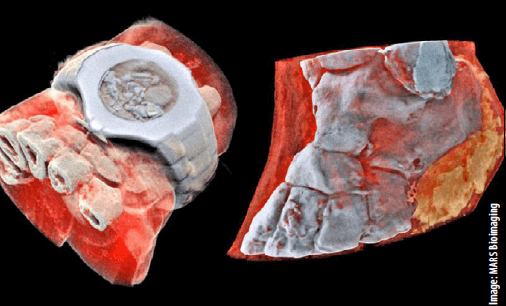 A new medical imaging device uses
technology developed by particle
physicists to produce full-color, 3D
images of the human body.
Phil and Anthony Butler, a father
and son team in New Zealand who
teach physics and bioengineering,
respectively, have been developing the
technology for a decade through their
company MARS Bioimaging.
The scanner uses hybrid-pixel
technology called Medipix3, which
was initially developed for the Large
Hadron Collider.
“The original concept of Medipix
is that it works like a camera, detecting
and counting each individual
particle hitting the pixels when its
electronic shutter is open,” reads a
statement from CERN “This enables
high-resolution, high-contrast, very
reliable images, making it unique for
imaging applications in particular in
the medical field.”
Traditional X-rays produce a black
image when passing through soft tissue
and a white image when absorbed
by denser bone material. The Medipix3
detector, however, “is able to measure
how specific energies of X-rays
are being attenuated” and can differentiate
between bone, muscle, metal,
fats and liquid. This level of sensitivity
enables the technology to produce a
strikingly realistic representation of
the internal body. ...
A new medical imaging device uses
technology developed by particle
physicists to produce full-color, 3D
images of the human body.
Phil and Anthony Butler, a father
and son team in New Zealand who
teach physics and bioengineering,
respectively, have been developing the
technology for a decade through their
company MARS Bioimaging.
The scanner uses hybrid-pixel
technology called Medipix3, which
was initially developed for the Large
Hadron Collider.
“The original concept of Medipix
is that it works like a camera, detecting
and counting each individual
particle hitting the pixels when its
electronic shutter is open,” reads a
statement from CERN “This enables
high-resolution, high-contrast, very
reliable images, making it unique for
imaging applications in particular in
the medical field.”
Traditional X-rays produce a black
image when passing through soft tissue
and a white image when absorbed
by denser bone material. The Medipix3
detector, however, “is able to measure
how specific energies of X-rays
are being attenuated” and can differentiate
between bone, muscle, metal,
fats and liquid. This level of sensitivity
enables the technology to produce a
strikingly realistic representation of
the internal body. ...

 As the global population ages,
many more people will experience
challenges with mobility. One
solution? Clothing that actually helps
the wearer move.
Electronics that can be worn on the
body are about more than personal
convenience. A new kind of wearable
technology may help. A lightweight,
comfortable ‘super suit’ designed by
Seismic –a wearable robotics spin-off
from the non-profit research centre SRI
International– works with the user’s
muscles to help boost their power.
The suit’s ‘electric muscles', powered
by tiny motors, contract in a way that
mimics human muscle. These electric
muscles are integrated into the
clothing around the joints of the body
and attached via grips in the clothing.
These grips function like tendons in
the human body.
As the global population ages,
many more people will experience
challenges with mobility. One
solution? Clothing that actually helps
the wearer move.
Electronics that can be worn on the
body are about more than personal
convenience. A new kind of wearable
technology may help. A lightweight,
comfortable ‘super suit’ designed by
Seismic –a wearable robotics spin-off
from the non-profit research centre SRI
International– works with the user’s
muscles to help boost their power.
The suit’s ‘electric muscles', powered
by tiny motors, contract in a way that
mimics human muscle. These electric
muscles are integrated into the
clothing around the joints of the body
and attached via grips in the clothing.
These grips function like tendons in
the human body.
 We all need food every day, but
our changing relationship with
it through the years can have a big
impact on our health. While hunger
–our body’s way of making us desire
food when it needs feeding– is a part
of appetite, it is not the only factor.
Our appetite is also not fixed, it
changes across our lifespan as we age.
As Shakespeare might have put it,
there are seven ages of appetite, and a
better understanding of these phases
could help us to develop new ways
of tackling under-eating and overconsumption,
along with the health
effects, such as obesity, that follow.
In early childhood, the body goes
through rapid growth and dietary
behaviour built up in early life can
extend into adulthood, leading a fat
child to become a fat adult.
In the teenage years, a growth in appetite
and stature driven by hormones,
signals the arrival of puberty. How a
teenager approaches food during this
critical period will shape their lifestyle
choices in later years.
As young adults, lifestyle changes
such as going to college, getting married
or living with a partner, and parenthood
can promote weight gain.
Adult working life brings other challenges
beyond a rumbling stomach,
but also the effects of stress, which has
been shown to prompt changes in appetite
and eating habits in 80% of the
population ...
We all need food every day, but
our changing relationship with
it through the years can have a big
impact on our health. While hunger
–our body’s way of making us desire
food when it needs feeding– is a part
of appetite, it is not the only factor.
Our appetite is also not fixed, it
changes across our lifespan as we age.
As Shakespeare might have put it,
there are seven ages of appetite, and a
better understanding of these phases
could help us to develop new ways
of tackling under-eating and overconsumption,
along with the health
effects, such as obesity, that follow.
In early childhood, the body goes
through rapid growth and dietary
behaviour built up in early life can
extend into adulthood, leading a fat
child to become a fat adult.
In the teenage years, a growth in appetite
and stature driven by hormones,
signals the arrival of puberty. How a
teenager approaches food during this
critical period will shape their lifestyle
choices in later years.
As young adults, lifestyle changes
such as going to college, getting married
or living with a partner, and parenthood
can promote weight gain.
Adult working life brings other challenges
beyond a rumbling stomach,
but also the effects of stress, which has
been shown to prompt changes in appetite
and eating habits in 80% of the
population ...
 Neuroscientists have known
that speech is processed in the
auditory cortex for some time, along
with some curious activity within the
motor cortex. How this last cortex is
involved though, has been something
of a mystery, until now. A new study by
two NYU scientists reveals one of the
last holdouts to a process of discovery
which started over a century and a half
ago. In 1861, French neurologist Pierre
Paul Broca identified what would
come to be known as “Broca’s area.”
This is a region in the posterior inferior
frontal gyrus.
This area is responsible for processing
and comprehending speech, as well
as producing it. Interestingly, a fellow
scientist, whom Broca had to operate
on, was post-op missing Broca’s
area entirely. Yet, he was still able to
speak. He couldn’t initially make complex
sentences, however, but in time
regained all speaking abilities. This
meant another region had pitched in,
and a certain amount of neuroplasticity
was involved.
In 1871, German neurologist Carl
Wernicke discovered another area
responsible for processing speech
through hearing, this time in the superior
posterior temporal lobe. It’s now
called Wernicke’s area. ...
Read full text:
Neuroscientists have known
that speech is processed in the
auditory cortex for some time, along
with some curious activity within the
motor cortex. How this last cortex is
involved though, has been something
of a mystery, until now. A new study by
two NYU scientists reveals one of the
last holdouts to a process of discovery
which started over a century and a half
ago. In 1861, French neurologist Pierre
Paul Broca identified what would
come to be known as “Broca’s area.”
This is a region in the posterior inferior
frontal gyrus.
This area is responsible for processing
and comprehending speech, as well
as producing it. Interestingly, a fellow
scientist, whom Broca had to operate
on, was post-op missing Broca’s
area entirely. Yet, he was still able to
speak. He couldn’t initially make complex
sentences, however, but in time
regained all speaking abilities. This
meant another region had pitched in,
and a certain amount of neuroplasticity
was involved.
In 1871, German neurologist Carl
Wernicke discovered another area
responsible for processing speech
through hearing, this time in the superior
posterior temporal lobe. It’s now
called Wernicke’s area. ...
Read full text:
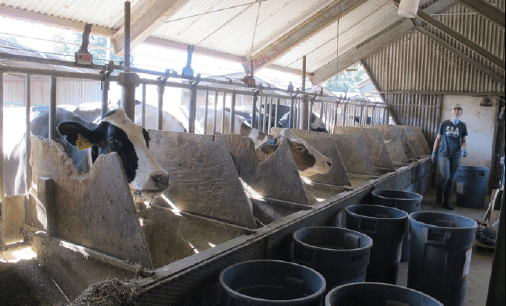
 We need action on palm oil,
that is absolutely not open for
debate. But, a new report suggests that
the alternatives we have to this environmentally
damaging edible oil actually
might do more harm than good.
This alarming report comes from
the respected International Union for
the Conservation of Nature (IUCN),
perhaps most familiar to animal lovers
as the organization that composes the
endangered wildlife list, the Red List.
The IUCN report, “Oil Palms and
Biodiversity“, takes an impartial look
at current palm oil forestry practices
and compares them with other crops
that could substitute for palm oil. The
report found that palm oil’s impact
on threatened species is as terrible as
other reports have also suggested.
In fact, the forest-clearing required
to grow and harvest palm oil currently
impacts 193 threatened species on the
IUCN Red List. Those are just its endangered
animals and does not necessarily
cover species that are currently
faring okay but may be vulnerable in
the future.
Orangutans and tigers are among
the most severely at risk from oil palm
cultivation and harvesting. ...
We need action on palm oil,
that is absolutely not open for
debate. But, a new report suggests that
the alternatives we have to this environmentally
damaging edible oil actually
might do more harm than good.
This alarming report comes from
the respected International Union for
the Conservation of Nature (IUCN),
perhaps most familiar to animal lovers
as the organization that composes the
endangered wildlife list, the Red List.
The IUCN report, “Oil Palms and
Biodiversity“, takes an impartial look
at current palm oil forestry practices
and compares them with other crops
that could substitute for palm oil. The
report found that palm oil’s impact
on threatened species is as terrible as
other reports have also suggested.
In fact, the forest-clearing required
to grow and harvest palm oil currently
impacts 193 threatened species on the
IUCN Red List. Those are just its endangered
animals and does not necessarily
cover species that are currently
faring okay but may be vulnerable in
the future.
Orangutans and tigers are among
the most severely at risk from oil palm
cultivation and harvesting. ...
 Atiny, new community is taking
shape within Seattle’s Ballard
neighborhood with the aim of helping
homeless women return to sheltered
living. The homes in what’s called
Whittier Heights Village, north of 80th
Street, are part of a growing trend in
Seattle of using 100-square-foot structures
to provide housing, security and
stability to unsheltered people.
This tiny house village —funded
through public and private donations—
will be the eighth of its kind in
Seattle but the first that will serve exclusively
one gender. “It’s a need in the
community. There’s a lot of homeless
women. Some of them feel more comfortable
in a single-sex environment,”
said Sharon Lee, executive director
of the Low Income Housing Institute,
an affordable housing developer that
manages the city’s tiny house villages.
Lee said the village will welcome
women who are mothers or are pregnant,
seniors, veterans and same-sex
female couples. Whittier Heights Village
should be completed by the end
of this month, Lee said. Some of the
first residents are already lined up. Not
only is the new tiny house community
for women, it’s being built predominantly
by women, too. Weekend work
parties have drawn dozens of female
volunteers skilled in trades —carpenters,
electricians, plumbers, painters
and more, Lee said. ...
Atiny, new community is taking
shape within Seattle’s Ballard
neighborhood with the aim of helping
homeless women return to sheltered
living. The homes in what’s called
Whittier Heights Village, north of 80th
Street, are part of a growing trend in
Seattle of using 100-square-foot structures
to provide housing, security and
stability to unsheltered people.
This tiny house village —funded
through public and private donations—
will be the eighth of its kind in
Seattle but the first that will serve exclusively
one gender. “It’s a need in the
community. There’s a lot of homeless
women. Some of them feel more comfortable
in a single-sex environment,”
said Sharon Lee, executive director
of the Low Income Housing Institute,
an affordable housing developer that
manages the city’s tiny house villages.
Lee said the village will welcome
women who are mothers or are pregnant,
seniors, veterans and same-sex
female couples. Whittier Heights Village
should be completed by the end
of this month, Lee said. Some of the
first residents are already lined up. Not
only is the new tiny house community
for women, it’s being built predominantly
by women, too. Weekend work
parties have drawn dozens of female
volunteers skilled in trades —carpenters,
electricians, plumbers, painters
and more, Lee said. ...
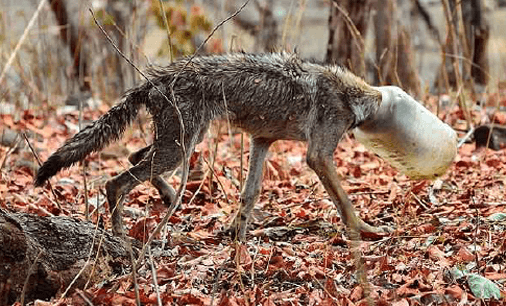 An endangered Indian wolf was
spotted in a lake area in Nagpur,
central India, by a group of amateur
nature photographers, and their images
show the state of the starving animal.
It is thought the wolf would have been
looking for food inside the container,
and ended up getting stuck, becoming
more and more malnourished over time.
Tanay Panpalia, a 26-year-old accountant
from Nagpur, spotted the
wolf while out taking photos with his
friends, and the group embarked on a
rescue mission. After calling the Nagpur
Forest Department, they spent two
hours tracking the wolf until a rescue
team arrived and were able to cut the
container off. Mr Panpalia said: “It was
a plastic container ... I and two friends
had ventured to the lake in order to take photos of birds, but we were also
hoping to capture some images of
wolves. When we saw a pack of them
we were so excited and decided to
follow them for a while to take photos
when we suddenly found a young
wolf whose head was stuck in a plastic
container. The other wolves watched
us from a distance –we were scared
as there were only three of us and
ten of them. ... Thankfully, the plastic
container had holes in it which was allowing
him to breathe and drink water
–it's probably what kept him alive. ... I
documented the whole story so that it
might make people more aware of how
their rubbish affects wildlife.”
An endangered Indian wolf was
spotted in a lake area in Nagpur,
central India, by a group of amateur
nature photographers, and their images
show the state of the starving animal.
It is thought the wolf would have been
looking for food inside the container,
and ended up getting stuck, becoming
more and more malnourished over time.
Tanay Panpalia, a 26-year-old accountant
from Nagpur, spotted the
wolf while out taking photos with his
friends, and the group embarked on a
rescue mission. After calling the Nagpur
Forest Department, they spent two
hours tracking the wolf until a rescue
team arrived and were able to cut the
container off. Mr Panpalia said: “It was
a plastic container ... I and two friends
had ventured to the lake in order to take photos of birds, but we were also
hoping to capture some images of
wolves. When we saw a pack of them
we were so excited and decided to
follow them for a while to take photos
when we suddenly found a young
wolf whose head was stuck in a plastic
container. The other wolves watched
us from a distance –we were scared
as there were only three of us and
ten of them. ... Thankfully, the plastic
container had holes in it which was allowing
him to breathe and drink water
–it's probably what kept him alive. ... I
documented the whole story so that it
might make people more aware of how
their rubbish affects wildlife.”

 Moon nightlight lamp.
Two color modes: Warm yellow and
Lunar white. Easy and convenient USB
charging.
faradayscienceshop.com
Moon nightlight lamp.
Two color modes: Warm yellow and
Lunar white. Easy and convenient USB
charging.
faradayscienceshop.com
 Inspired
by Yayoi Kusama’s iconic pumpkin
sculptures, this small leather coin
purse features a charming retro design.
Made in Japan, the purse has a purple
grosgrain lining.
Inspired
by Yayoi Kusama’s iconic pumpkin
sculptures, this small leather coin
purse features a charming retro design.
Made in Japan, the purse has a purple
grosgrain lining.
 Metal Bookends. Show the hit parade of your
favourite books on a shelf or desk. One can never underestimate the meaning of
reading in our lives. By DesignAtelierArticle.
www.etsy.com
Metal Bookends. Show the hit parade of your
favourite books on a shelf or desk. One can never underestimate the meaning of
reading in our lives. By DesignAtelierArticle.
www.etsy.com

 The Bachelor of Agrictultural Economics
degree unites economic
analysis with the practical aspects of
agriculture. The program is intended
to specialize students for careers in
research, teaching, analysis, business
administration and similar fields of
agricultural economics. We will guide
you to be successful in the field and
to raise awareness of the social and
environmental responsibilities of agriculture.
The Agrictultural Economics
program is designed to advance the
professional development of experienced
economics graduates and
professionals in the economics arena
by extending their knowledge and
equipping them with broad research
and process economics skills, enabling
them to make a key leadership contribution
to their chosen fields.
AIU’s Bachelor's degree in Agricultural
Economics goes one step
further by allowing students to study
and research multiple key areas of
computer science to develop a unique
foundation of practical knowledge and
computer science theory.
Your AIU Distance Learning Bachelor
program in Agricultural Economics
will be a custom-made program,
designed just for you by you and
your advisor. This flexibility to meet
your needs is seldom found in other
distance learning programs. Our program
does not require every student
to study the same subjects and use the
same books and other learning materials
as every other student. Instead
our online Bachelor programs are designed
just for you. They are individually
designed to meet your needs and
help you to reach your professional
and personal goals.
The Bachelor of Agrictultural Economics
degree unites economic
analysis with the practical aspects of
agriculture. The program is intended
to specialize students for careers in
research, teaching, analysis, business
administration and similar fields of
agricultural economics. We will guide
you to be successful in the field and
to raise awareness of the social and
environmental responsibilities of agriculture.
The Agrictultural Economics
program is designed to advance the
professional development of experienced
economics graduates and
professionals in the economics arena
by extending their knowledge and
equipping them with broad research
and process economics skills, enabling
them to make a key leadership contribution
to their chosen fields.
AIU’s Bachelor's degree in Agricultural
Economics goes one step
further by allowing students to study
and research multiple key areas of
computer science to develop a unique
foundation of practical knowledge and
computer science theory.
Your AIU Distance Learning Bachelor
program in Agricultural Economics
will be a custom-made program,
designed just for you by you and
your advisor. This flexibility to meet
your needs is seldom found in other
distance learning programs. Our program
does not require every student
to study the same subjects and use the
same books and other learning materials
as every other student. Instead
our online Bachelor programs are designed
just for you. They are individually
designed to meet your needs and
help you to reach your professional
and personal goals.
 Atlantic International University is accredited by the Accreditation Service for International
Schools, Colleges and Universities (ASIC). ASIC Accreditation is an internationally
renowned quality standard for colleges and universities. Visit ASIC’s Directory of Accredited
Colleges and Universities. ASIC is a member of CHEA International Quality Group (CIQG) in
the USA, an approved accreditation body by the Ministerial Department of the Home Office in the UK,
and is listed in the International Directory of the Council for Higher Education Accreditation (CHEA).
AIU meets all state and federal laws as a degree-granting institution in the United States and the State of
Hawaii. The University was legally established by corporate charter in 1998 and is in good standing.
Atlantic International University is accredited by the Accreditation Service for International
Schools, Colleges and Universities (ASIC). ASIC Accreditation is an internationally
renowned quality standard for colleges and universities. Visit ASIC’s Directory of Accredited
Colleges and Universities. ASIC is a member of CHEA International Quality Group (CIQG) in
the USA, an approved accreditation body by the Ministerial Department of the Home Office in the UK,
and is listed in the International Directory of the Council for Higher Education Accreditation (CHEA).
AIU meets all state and federal laws as a degree-granting institution in the United States and the State of
Hawaii. The University was legally established by corporate charter in 1998 and is in good standing.
 If a student outside the U.S. wishes to carry
out a particular procedure within a country’s
Department of Education regarding their
degree earned at AIU, such procedures are to
be carried out independently by the student.
AIU respects the unique rules and regulations
of each country and does not intervene or
influence the respective authorities. We
recommend prospective students who
intend to carry out such procedures
outside the U.S. to verify in detail the
steps and requirements needed in
order to be fully informed.
If a student outside the U.S. wishes to carry
out a particular procedure within a country’s
Department of Education regarding their
degree earned at AIU, such procedures are to
be carried out independently by the student.
AIU respects the unique rules and regulations
of each country and does not intervene or
influence the respective authorities. We
recommend prospective students who
intend to carry out such procedures
outside the U.S. to verify in detail the
steps and requirements needed in
order to be fully informed.
 The School of Business and Economics
allows aspiring and practicing
professionals, managers, and entrepreneurs
in the private and public sectors
to complete a self paced distance
learning degree program of the highest
academic standard.
The ultimate goal is to empower
learners and help them take advantage
of the enormous array of resources
from the world environment in order
to eliminate the current continuum of
poverty and limitations.
Degree programs are designed for
those students whose professional experience has been in business,
marketing, administration, economics,
finance and management.
The School of Business and Economics
allows aspiring and practicing
professionals, managers, and entrepreneurs
in the private and public sectors
to complete a self paced distance
learning degree program of the highest
academic standard.
The ultimate goal is to empower
learners and help them take advantage
of the enormous array of resources
from the world environment in order
to eliminate the current continuum of
poverty and limitations.
Degree programs are designed for
those students whose professional experience has been in business,
marketing, administration, economics,
finance and management.
 The School of Social and Human Studies
is focused on to the development of
studies which instill a core commitment
to building a society based on social and
economic justice and enhancing opportunities
for human well being.
The founding principles lie on the
basic right of education as outlined
in the Declaration of Human Rights.
We instill in our students a sense of
confidence and self reliance in their
ability to access the vast opportunities
available through information channels,
the world wide web, private, public,
nonprofit, and nongovernmental organizations in an ever expanding
global community.
Degree programs are aimed towards
those whose professional life has been
related to social and human behavior,
with the arts, or with cultural studies.
The School of Social and Human Studies
is focused on to the development of
studies which instill a core commitment
to building a society based on social and
economic justice and enhancing opportunities
for human well being.
The founding principles lie on the
basic right of education as outlined
in the Declaration of Human Rights.
We instill in our students a sense of
confidence and self reliance in their
ability to access the vast opportunities
available through information channels,
the world wide web, private, public,
nonprofit, and nongovernmental organizations in an ever expanding
global community.
Degree programs are aimed towards
those whose professional life has been
related to social and human behavior,
with the arts, or with cultural studies.
 The School of Science and Engineering
seeks to provide dynamic, integrated,
and challenging degree programs
designed for those whose experience
is in industrial research, scientific production,
engineering and the general
sciences. Our system for research and
education will keep us apace with the
twenty-first century reach scientific
advance in an environmentally and
ecologically responsible manner to allow
for the sustainability of the human
population. We will foster among our
students a demand for ethical behavior,
an appreciation for diversity, an understanding
of scientific investigation,
The School of Science and Engineering
seeks to provide dynamic, integrated,
and challenging degree programs
designed for those whose experience
is in industrial research, scientific production,
engineering and the general
sciences. Our system for research and
education will keep us apace with the
twenty-first century reach scientific
advance in an environmentally and
ecologically responsible manner to allow
for the sustainability of the human
population. We will foster among our
students a demand for ethical behavior,
an appreciation for diversity, an understanding
of scientific investigation,
 With access to a global catalog created and maintained collectively by more than
9,000 participating institutions, AIU students have secured excellent research
tools for their study programs.
With access to a global catalog created and maintained collectively by more than
9,000 participating institutions, AIU students have secured excellent research
tools for their study programs.